Artist Profile: Richard Muccini
Artist Profile: Richard Muccini
Cape Cod Art / ART Annual 2026 / Art & Entertainment
Writer: Chris White
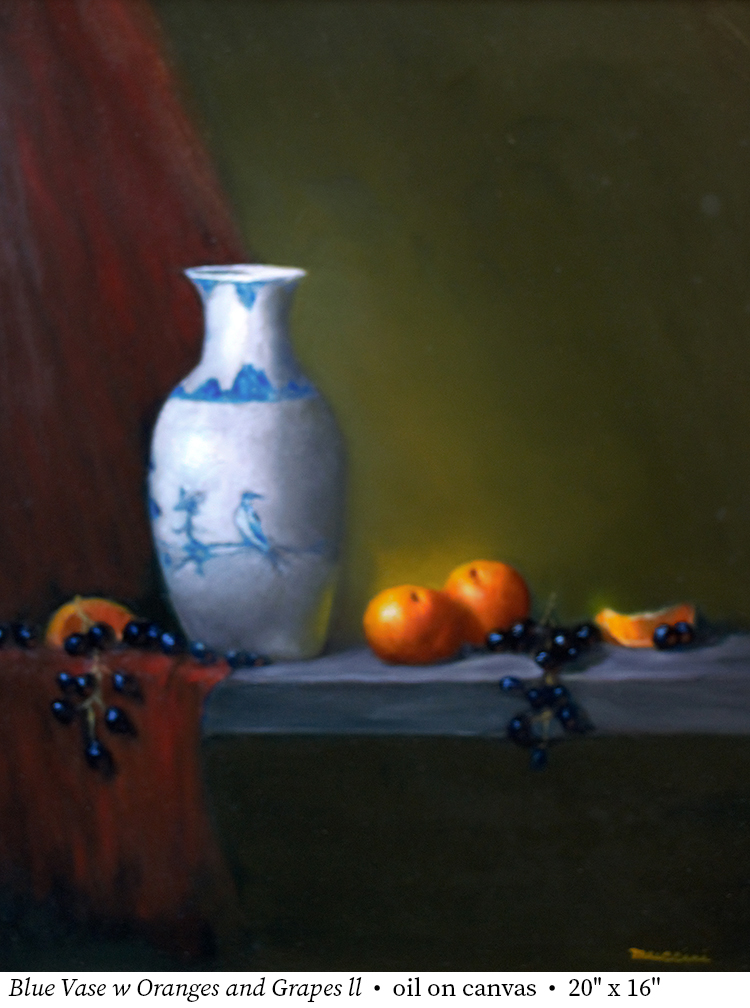
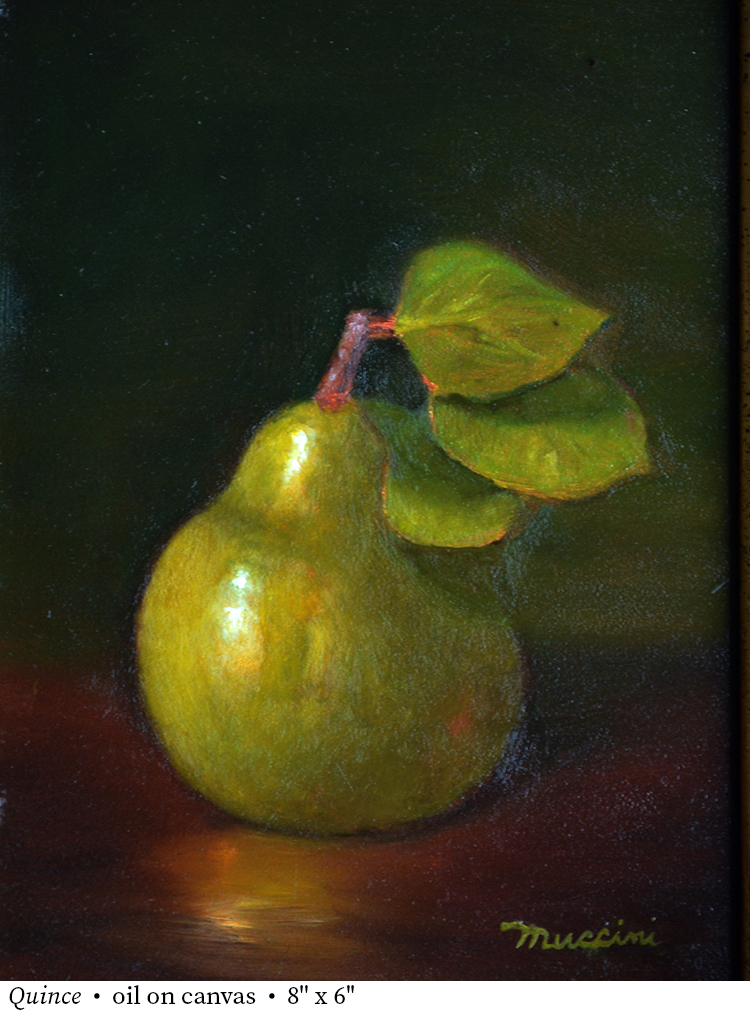
Artists have made dramatic use of contrast for centuries, well before the Italians coined the term chiaroscuro to describe the technique. The term combines chiaro—meaning “light” or “clear”—with scuro, or “dark.” It took root formally in the 15th and 16th centuries, during the Italian Renaissance, but some of its best known practitioners were the Dutch masters, such as Vermeer and Rembrandt. Sandwich artist Richard Muccini’s work is steeped in chiaroscuro, and he says, “As most artists, my work has evolved over the years. While I occasionally do landscape or a portrait, I always fall back to still life. I studied the chiaroscuro style of painting and have taken that training and adapted it to what has become my style of painting.”
A native of Boston, Muccini’s first career was in the tech industry, which took him to New York City. This led to his enrollment in painting classes at the Art Students League, where he studied with Gregg Kreutz, David Leffel, and Sherrie McGraw, all well-known names in classical realism. He was drawn to still life and portraiture painting in part because of its three-dimensional feel. This focus led to his becoming a studio painter. He says, “Still life painting doesn’t lend itself to en plein air. So all my work is done in my studio. I do however use the computer to refine my set-up and create the mood I am looking for.”
Much of Muccini’s recent work features compositions with fruit, often on a table with vessels such as pitchers or vases. In the painting Copper Ewer, for instance, the foreground features oranges arranged beside the ewer and a small brass bowl. Sunlight pours over the subjects, creating a shadow against an orange-copper wall. Similarly, Tea Time captures a copper kettle arranged on a mahogany surface with a lemon and a glass of tea. While the color palette is universally warm in these paintings, many of Muccini’s other pieces, such as Three Tulips, display their subjects upon a black field, as though suspended in space. Bartlett Pear is another example, where a single piece of fruit glows like a lantern in the darkness.
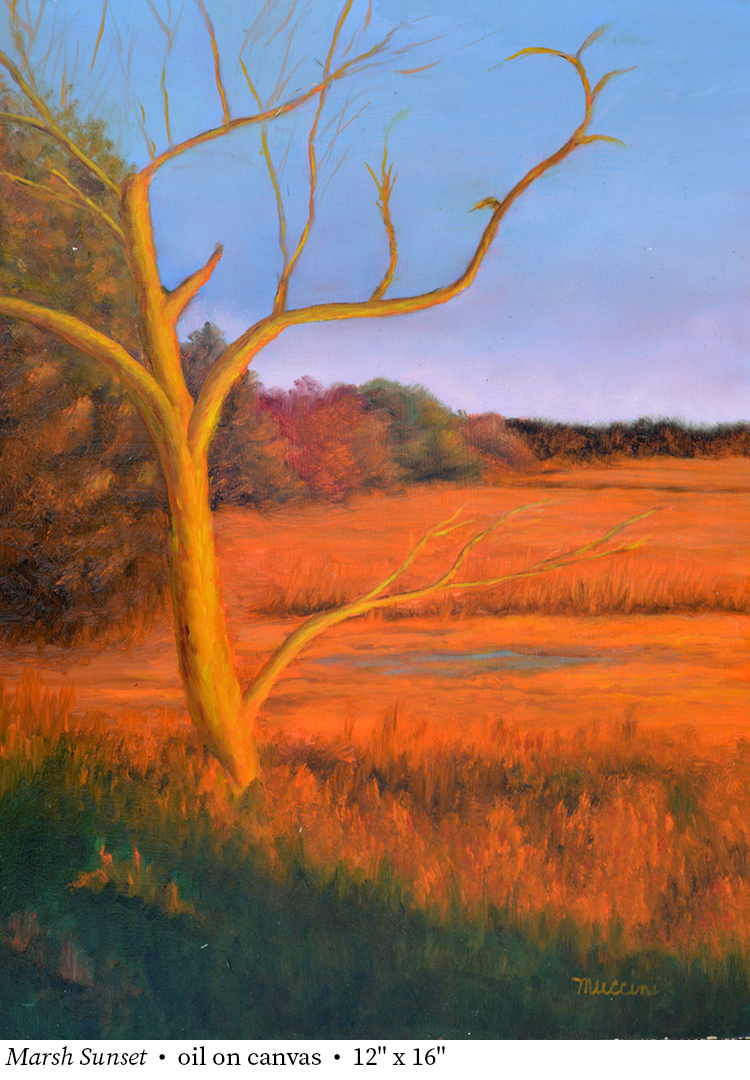
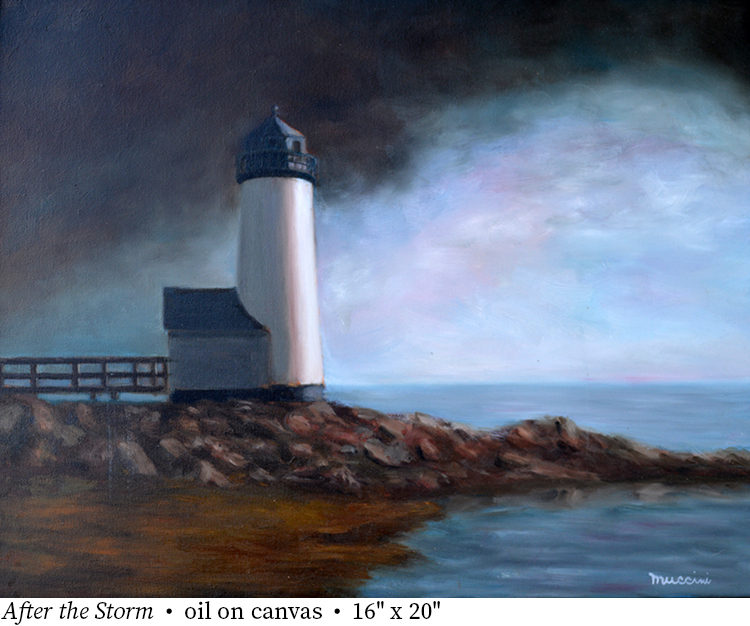
In addition to portraits and still lifes, Muccini is a prolific landscape painter. Some of this work, such as Normandy Farmer and Williamstown Road, reflect his travels, but most of his landscapes feature Cape Cod scenes. In Cotuit Catboat, sailors pass a red channel marker, while Provincetown Dunes depicts tracks in the sand left by 4×4 vehicles en route to Race Point. Muccini is an oil painter, and his style carries throughout his work. This is especially clear in his paintings of lighthouses, which handle volume much in the way of his renderings of bowls and bottles.
The Cape’s art community has also played a major role in Muccini’s success. While he resides in Sandwich, he has established long-term representation for his work in Wellfleet. He says, “I am entering my 16th season with the Blue Heron Gallery, and I believe this has been a good partnership. I think my work fits the gallery’s clientele, which is a win for both of us.” Muccini has also volunteered his time at Cape art associations, noting, “I have had a long relationship with the Sandwich Arts Alliance and the Cape Cod Art Center before that.” He has served as vice president of the former, president of the latter, and executive committee member at both for over thirteen years, combined. He says, “The Sandwich Arts Alliance’s motto is, ‘Empowering the Arts … Enriching the Community.’ Both organizations do just that.”
“The Cape is one of Massachusetts’s oldest and largest art centers,” says Muccini. “It’s easy to get lazy when you’re an artist. It can be a lonely business, and the Cape’s art culture helps keep me involved. The best thing about painting is there is always something new to learn.”
Richard Muccini’s work can be found at the Blue Heron Gallery in Wellfleet, at the new Sandwich Arts Alliance gallery at the Sandwich Historic Town Hall in Sandwich, and online at muccinistudios.com.
~ Chris White