


Beyond the Tea Party: Glass, Taxes, and the American Revolution
Beyond the Tea Party: Glass, Taxes, and the American Revolution
Cape Cod Life / September/October 2026 / History
Writer: Bonnie Lilienfeld
No one dumped crates of glass into Boston Harbor on the night of December 16, 1773—but it could have happened.
When Britain first imposed a tax on tea in 1767 it also placed duties on other imported goods, including glass. Long before the first shots of the Revolution were fired glass, along with tea, lead, paper, and paint, had become a source of tension between Britain and its American colonies.
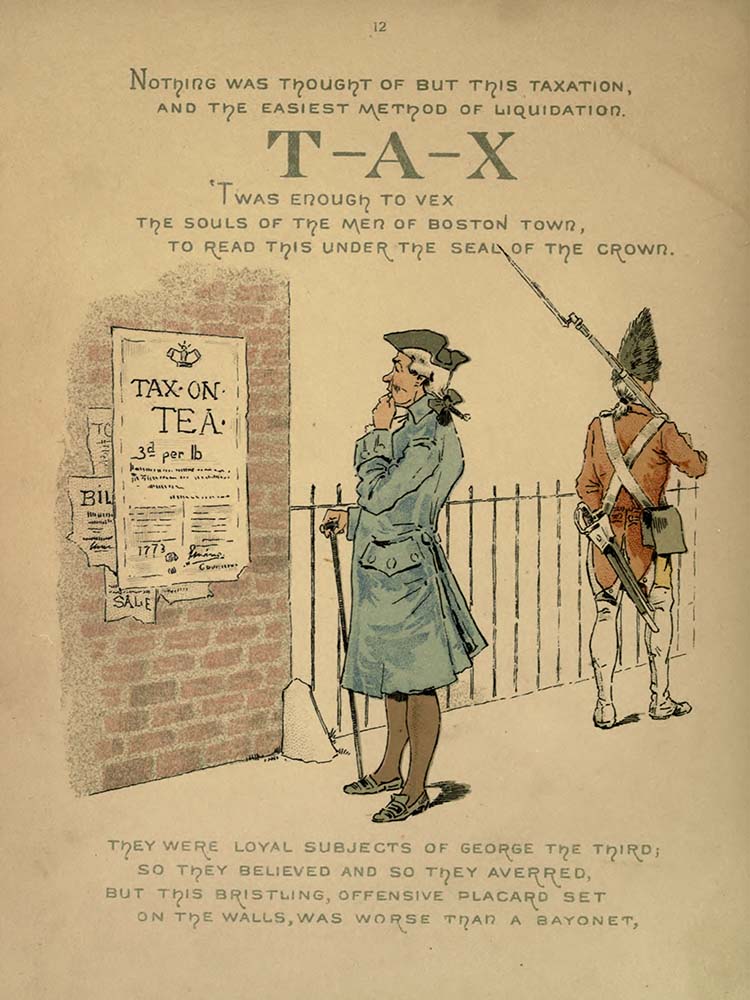
Today, tea has become one of the best-known symbols of resistance to British rule without representation. Most people are not aware that glass, too, became entangled in the politics of taxation and resistance that ultimately led to Independence.
What did glass have to do with the American Revolution? To understand that we need to go back in time to the earliest years of English settlement in New England.
Today we look through windows without noticing them and we don’t think much about the drinking glasses, bottles, and mirrors that surround us. But in seventeenth-century New England glass was anything but ordinary.
There are no surviving inventories of what the Pilgrims brought to the New World. They may have carried some glass, but most household goods were made from wood, iron, or pewter. Even the window openings of many early New England houses were covered with oiled paper, waxed cloth, wood, or thin slices of animal horn. Glass of any form was scarce and expensive, in part because nearly all of it had to be imported.
Although the Romans were producing glass vessels and even windows by the first century CE and...Want to read this article and more?
Subscribe today to our Digital Edition to gain full access to this article plus every issue of LIFE or HOME for only $9.95.
